
The rapid proliferation of smartphones and the internet has completely transformed the way small and micro-businesses function in India. Currently, India has about nine hundred million internet users, and about 96% of them use their mobile devices to access the internet. These days, smartphones are the primary medium of internet access for most people. This makes smartphones the most prevalent tool for accessing information and communicating with others.
The easy availability of low-cost phones and data plans has made it possible for even people living in villages and small towns to access the internet. In fact, more than 85% of Indian homes now have at least a single smartphone with internet connectivity. More than 86% homes across India now have internet connectivity.
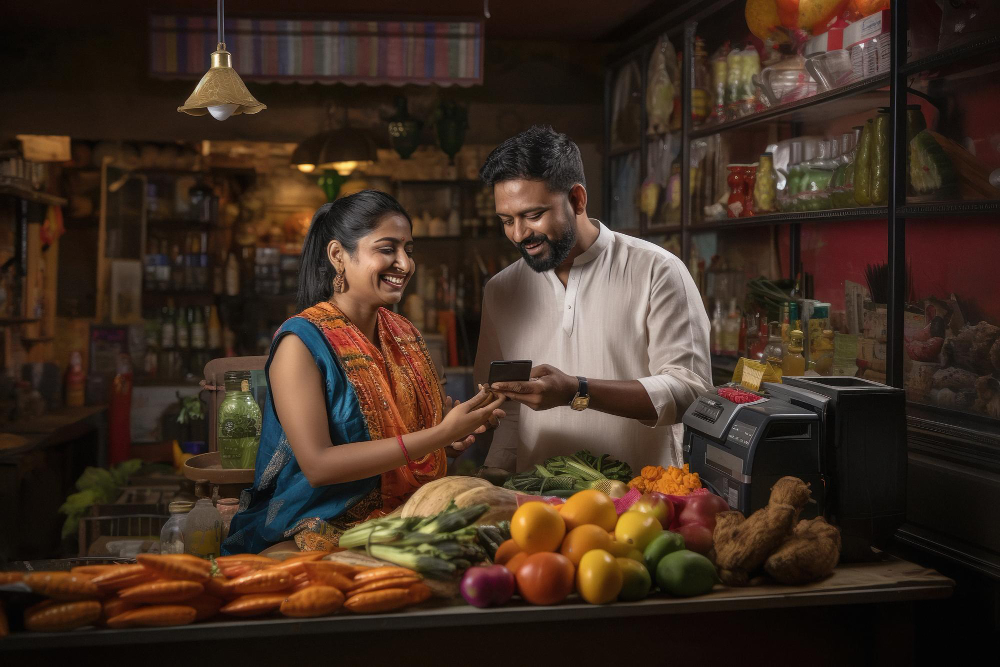
It is due to factors such as these that customers of small and micro-businesses like tailoring shops, local service providers, repair shops, and kirana stores now remain constantly connected. A lot of customers look up product information, compare prices and options, watch product-related videos, and ask their friends and colleagues on messaging apps about products before deciding what to buy.
Such extensive digital exposure allows even small local businesses to function in a more connected, well-informed, and competitive marketplace. The rise in internet usage in India has also been largely driven by significant growth in connectivity in semi-rural and rural areas and by better mobile data usage. More than 95% of people living in Indian villages now have either 3G or 4G connectivity. Rural areas also account for millions of regular internet users.
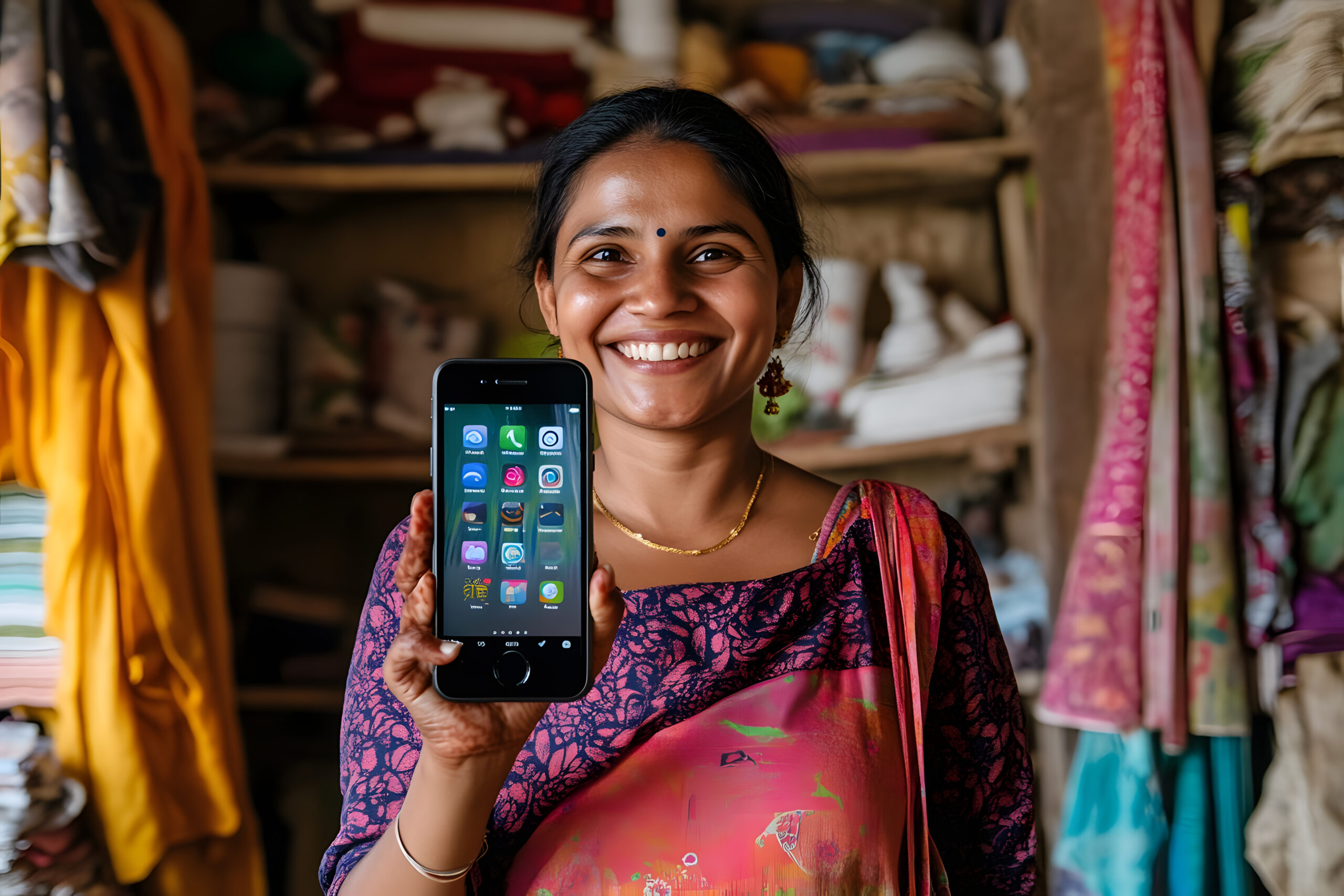
Statistics on regular internet usage show that most individuals spend around seven hours online, consuming content such as social media, videos, music, and messaging platforms. The penetration of internet usage in India’s rural areas has increased very quickly. With solid growth year after year, it has reached almost 78% by 2024 as smartphones became economical and digital infrastructure was enhanced. Additionally, Indian people spend a great deal of their time online. The internet and various applications now make it likely for people in India to access content in their local languages, making the internet more relevant to people across diverse walks of life and sections of society.
Micro business owners can take extreme advantage of this situation, as their potential customers are already mindful of their products, potential brands, prices, and product qualities. As information can spread swiftly through messaging apps and social media platforms, it can quickly shape potential customers’ buying decisions, even in small local markets.
Such extensive use of the internet and smartphones has rapidly changed the way customers think and behave in India. Customers these days are more open, curious, and research-oriented than in previous decades when it comes to making purchasing decisions. A lot of people prefer to read product details online, read reviews, watch demo videos, and even ask for recommendations within their social media networks before buying anything from local shops. Hence, purchasing decisions are nowadays largely shaped by digital information rather than by the shopkeeper’s recommendations.